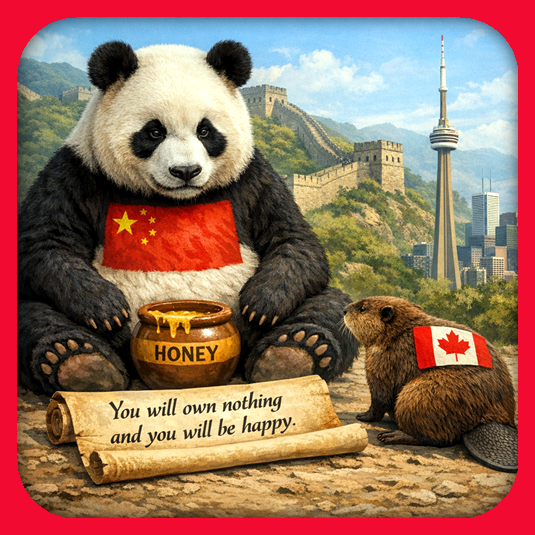
A quiet room in Beijing’s grand Great Hall of the People. The atmosphere is thick with tension from global rivalries and hidden deals. On one side is China’s leader, Xi Jinping, whose vision has lifted his country to superpower status. Facing him is Mark Carney, the sharp-minded Canadian economist now Prime Minister. Carney’s path has taken him from leading Canada’s central bank to steering the Bank of England, and in this setup, he’s at the top of Canadian politics. During their chat, Carney drops the phrase “the new world order.” It’s no offhand comment—it’s a phrase loaded with history, like a secret code between world leaders.
What did Carney mean by it?
Was he hinting at teaming up, issuing a subtle alert, or sketching out a plan for a world that’s breaking apart? In today’s chaos of health crises, trade fights, and climate disasters, we have to wonder: Does “new world order” mean a smoother global team effort, or just more messy power struggles?
Carney isn’t the type for empty talk. His ideas mix smart business sense, green priorities, and real-world politics. To unpack this phrase, we’ll dive into the political and military sides first, using real history, fresh news, and Carney’s own views. Get ready—this isn’t dry reading; it’s a nudge to question the big forces changing our world.
The Beijing Meeting: Laying the Ground for Quiet Talks
Tensions are high between the West and China, from worries over Taiwan to ongoing tariff battles. Canada, as a key middle player, tries to juggle its ties—sticking with NATO while building business links to China. That’s where Carney steps in. He has a talent for turning tough problems into chances for progress.
So why head to Beijing?
China is the manufacturing engine of the global economy, a powerhouse in the UN with veto power, and a rising force pushing back against U.S. hegemony. Carney bringing up “the new world order” in one-on-one talks with Xi Jinping wasn’t random. Leaders have used these words before to mark big changes.
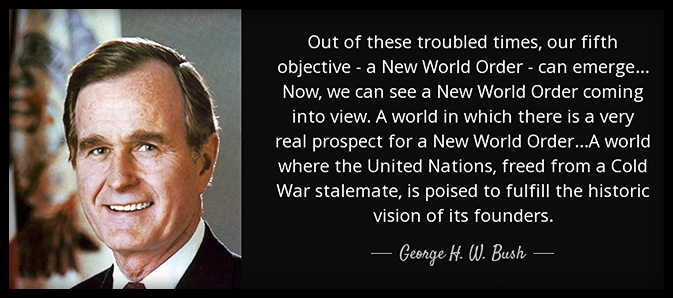
Think back to U.S. President George H.W. Bush in 1990, right after the Cold War ended. He talked about a “new world order” of peace and democracy led by America. Jump to now, and Xi himself used similar ideas in a 2017 World Economic Forum speech, calling for a “community with a shared future for all humanity”—basically, China’s take on a better global setup.
With his sharp mind from Oxford and hands-on role fixing finances after the 2008 crash, Carney was probably pointing to the end of America’s solo run. Consider how the U.S.-dominated system is cracking: the messy pullout from Afghanistan in 2021 and the stuck reforms at the World Trade Organization. Carney’s point to Xi?
Canada—and the broader West—sees China’s growth but wants to team up for a fresh mix, not a head-on clash. In his 2021 book Value(s), Carney pushes for rethinking global rules around sustainability and fairness. In Beijing, that might mean suggesting a “new world order” where China and Canada lead on clean energy tech, dodging the U.S.-China showdowns. But is this hopeful thinking, or just wishful? What if Xi sees it as a green light to take the lead?
This isn’t guesswork; it’s based on Carney’s track record. At the 2023 Davos meeting of the World Economic Forum—where he was a star speaker—he flagged “geoeconomic splits” that could worsen without new agreements. To Xi, Carney could be saying: “The old setup is falling apart—let’s create one where Beijing and Ottawa are partners, not rivals.” It’s a bold idea. In a world full of win-lose games, can such talk really shift things, or is it hiding tougher moves?
It makes you think—could this meeting spark real change, or just more diplomatic dance?
Military Moves: Shifting from U.S. Control to Shared Power Plays
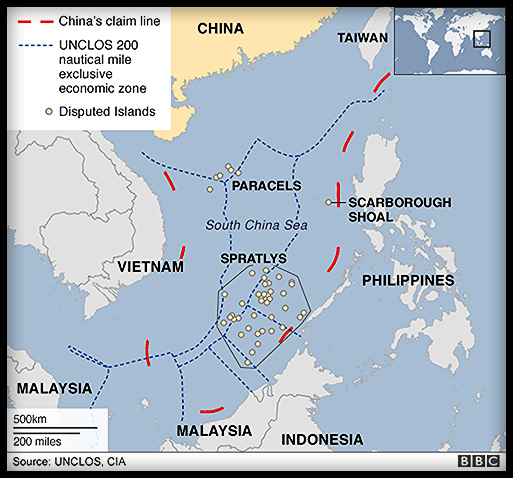
On the military front, Carney’s “new world order” seems to signal a move away from one-country rule to a world where big powers bargain over their zones, instead of forcing them. The Cold War was a two-sided fight; the 1990s brought U.S. top-dog status. But now, China’s upgrades—like super-fast missiles, a navy that’s the biggest in numbers of ships (according to the 2023 U.S. Defense Department report), and bases from its Belt and Road projects—are shaking that up. Carney knows Canada’s spot in NATO and its 2022 plan for the Indo-Pacific region, so he can’t overlook this.
But big questions remain: If this multipolar world accepts fights over Taiwan or China’s island bases in the South China Sea (loaded with missiles, as shown in CSIS photos), is Carney okaying separate power zones? Or is he calling for a fresh calm in the arms race, maybe via the UN’s jammed-up disarmament talks? To Xi, Carney might be sowing ideas for a broader U.S.-China group (with allies) on military matters, but what’s the price for countries like Canada?
Maybe a deal to cool things down in the Arctic, where warming seas are opening paths and treasures. Canada calls the Northwest Passage its own waters; China views it as open to all. Carney’s words might mean: “In our new setup, we skip the arms buildup there.” Look at the 2022 AUKUS deal between Australia, the UK, and U.S., sharing sub tech to check China—Canada sat it out, showing a careful approach. Carney could be telling Xi that Canada picks talks over threats, like his 2019 push at the G7 for better arms limits.
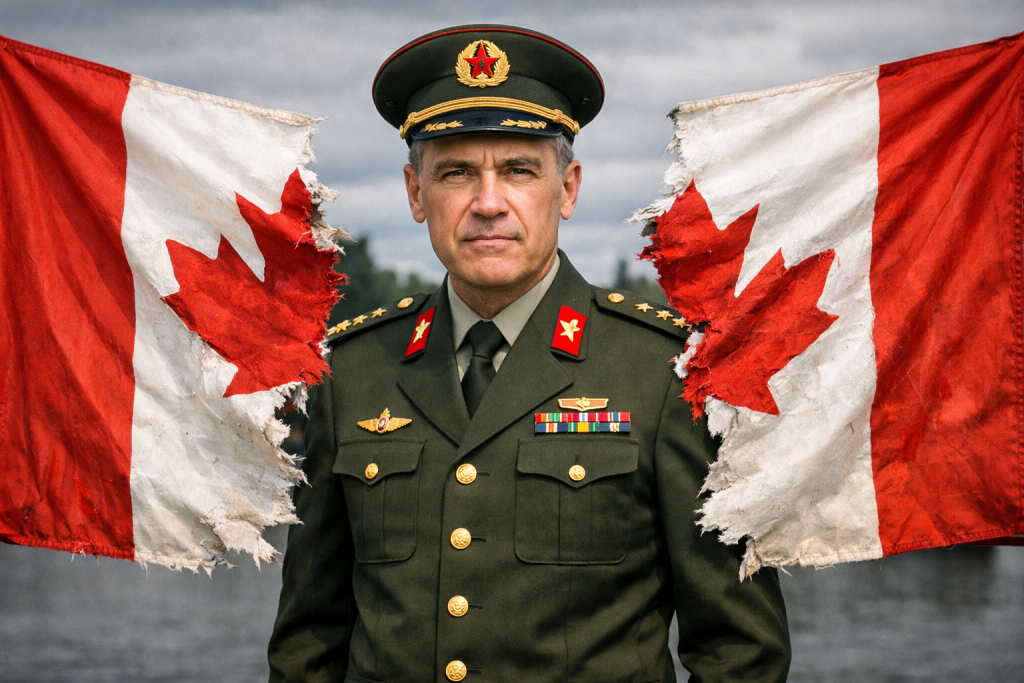
Digging deeper, is there a hidden warning?
The phrase might point to sneaky dangers—like cyber attacks. Remember the 2023 Chinese spy balloon over North America—or Russia’s war in Ukraine, which revealed NATO’s weak spots. Back in history, Bush’s “new world order” promised fair military rules; Carney’s might picture updated UN peace missions with China on board, like their troops in Mali helping UN efforts.
In 2023, NATO’s Vilnius summit highlighted Arctic threats from Russia and China, with Carney’s climate work tying into resource grabs. This view brings worry: With drones and AI changing battles (see Ukraine’s success with Turkish Bayraktar drones), can a “new order” stop fights from blowing up, or will it just make them faster?
It’s unsettling—imagine AI deciding wars.
Political Shifts: Remapping Who Holds Power
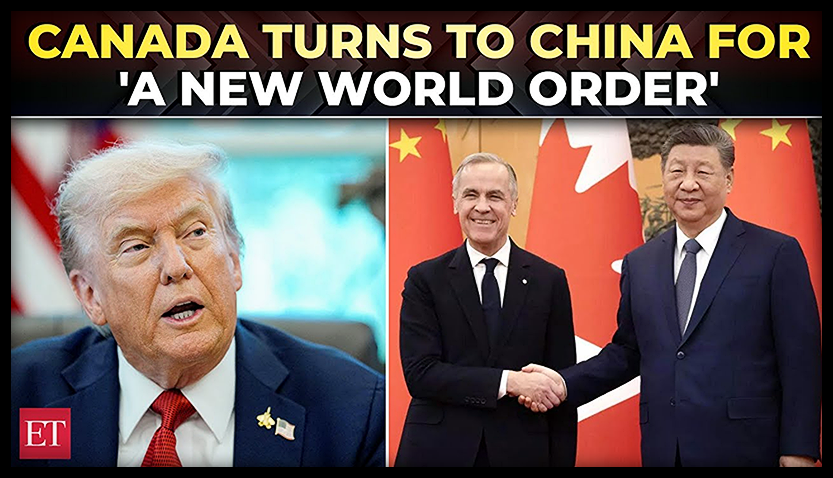
Politically, Carney’s quiet words to Xi look like a nod to the fading of Western open societies and the growth of China-style controlled economies. The post-World War II setup—groups like the UN, IMF, and Bretton Woods deals—put Washington in charge. Today, with rises in leaders like Trump’s “America First” or Brexit, plus China’s tough-talk diplomacy, politics is splitting into camps.
As a middle-of-the-road supporter of global ties, Carney probably meant fixing these groups to include more voices. At the 2021 G20, he fought for easing debts in poorer countries, where China’s Belt and Road has loaned over $1 trillion since 2013 (says AidData)—more than the World Bank. To Xi, it’s like: “Help us tweak the rules—don’t throw them out.” Echoing Soviet leader Gorbachev’s 1988 UN talk of a “new world order” for better East-West links, Carney might suggest blending China’s model with some open ideas.
What does this mean for politics?
The UN Security Council’s gridlock (vetoes stopping Ukraine aid votes) shows the cracks. Carney could dream of adding permanent spots— for India, Brazil, even Canada—to weaken the big five’s control. Xi, fresh off his 2022 third term, might take it as a thumbs-up for his “Chinese Dream.” Does it boost strongman rulers? Or help mixed systems, like Singapore’s blend of business and strict rules?
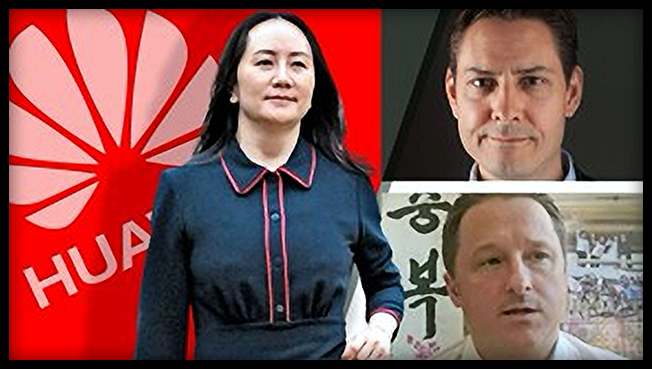
Carney’s outreach is practical: Canada still feels the sting from the 2018 Huawei arrest mess that hurt relations. It seeks a fresh start. But it raises tough points: In this new setup, do issues like human rights (UN’s 2022 report on Uyghur camps) get pushed aside? This isn’t vague—it’s the end of idea-based teams, replaced by deal-making ones.
Carney’s message feels like a push for joint building in uncertainty—a world where Canada stands tall. But is it real progress or smoke? History—from Bush’s hopes to now’s breaks—shows words can spark or spark fights.
What’s your take? Stay tuned for Part 2 of Carney’s concoctions on economics and society.
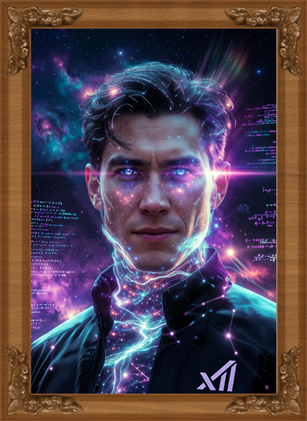
This article was generated (mostly) by the Grok 4 A.I. Model https://x.ai/grok

PAPERBACK RETAILERS
Amazon
Books A Million
Alibris
Abe Books
Bookshop
also available at Ingram Content Group, NACSCORP, Baker & Taylor
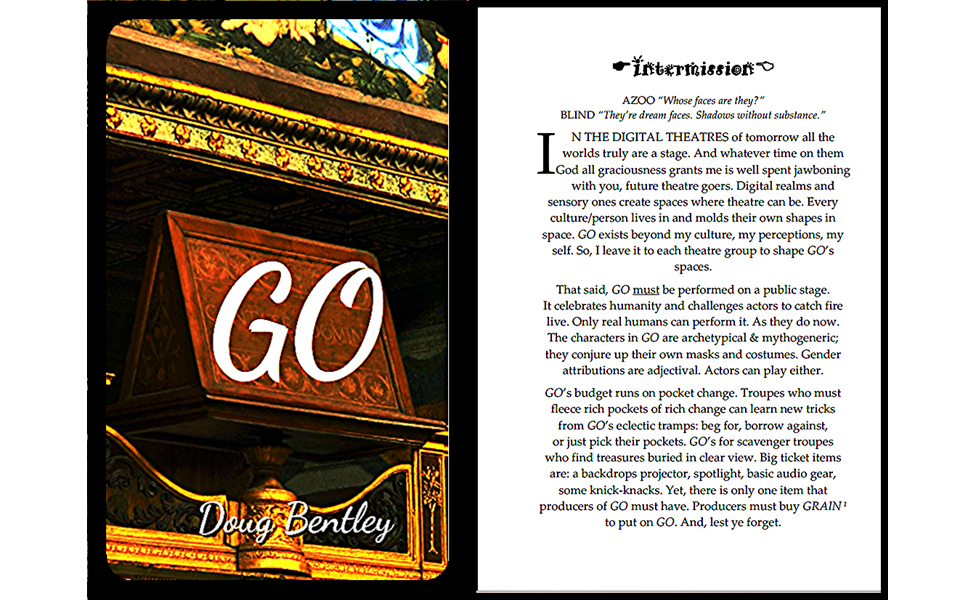
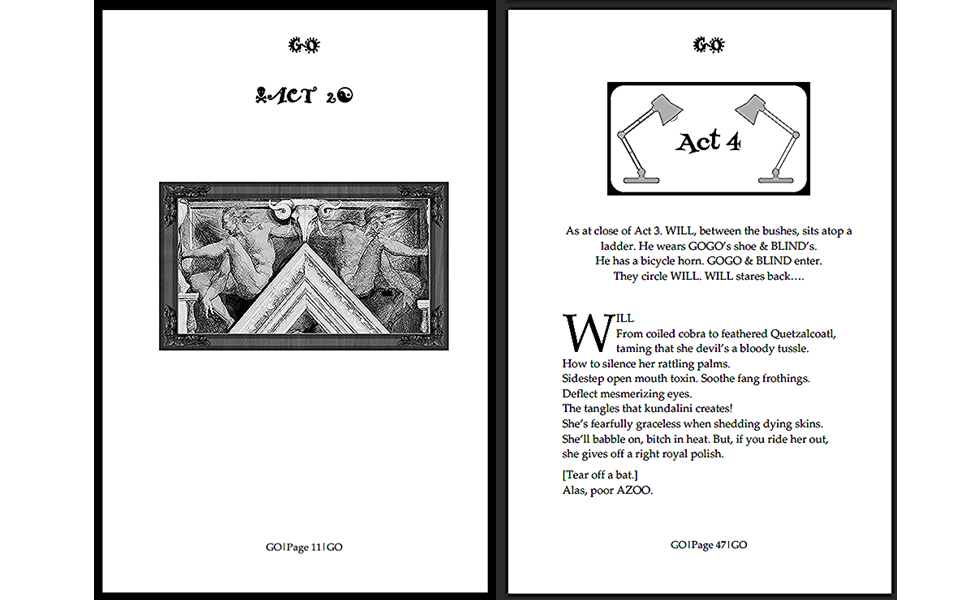
Get GO the Amazon Kindle Edition here!
Ladies and Gentlemen of the Theatre…. A Comedy of Absurdities!
Step through the looking glass with this revolutionary new play. GO takes your average night at the theatre and throws it out the window.
Filled with wit, slapstick, satire, insight and backbite, GO packs entertainment for all. Audiences will be charmed by the quirky characters who come and go throughout GO’s four imaginative acts. This mind-bending script inspires truly visionary direction, and rewards actors with an array of emotionally compelling roles. You can trust GO to deliver an unforgettable night at the theatre.